
How to Design Team Uniforms That Stand Out and Unite
Creating a team uniform is more than just picking colors and logos. It’s about building identity, boosting morale, and making your team feel connected. Whether you’re organizing a sports team, a corporate group, or a community club, designing your own team uniform can be a rewarding experience that reflects your team’s spirit and values.
Why Design Team Uniforms Matter
Team uniforms serve several important purposes beyond aesthetics. They create a sense of unity and belonging among members. When everyone wears the same outfit, it fosters teamwork and pride. Uniforms also make your team easily recognizable to others, which is essential during competitions or public events.
Moreover, a well-designed uniform can improve performance. Choosing the right materials and fit can enhance comfort and mobility, helping team members perform at their best. For example, moisture-wicking fabrics keep athletes dry, while breathable materials prevent overheating.
Key Benefits of Team Uniforms:
Promotes team identity and pride
Enhances visibility and recognition
Improves comfort and performance
Creates a professional and cohesive look
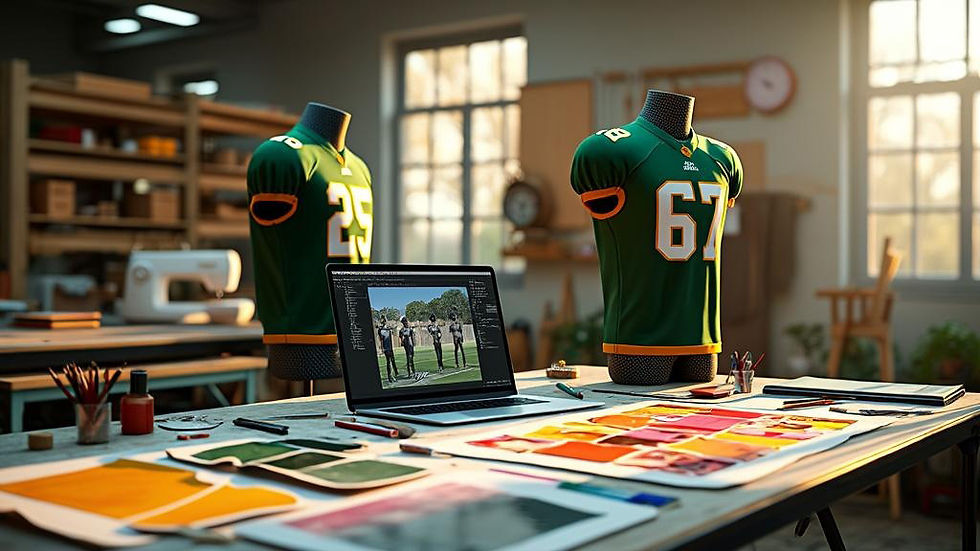
How to Design Team Uniforms That Reflect Your Team’s Identity
Designing team uniforms requires thoughtful planning. Start by considering your team’s values, goals, and personality. The uniform should visually communicate what your team stands for.
Step 1: Choose Your Colors Wisely
Colors evoke emotions and convey messages. For example, red symbolizes energy and passion, while blue represents trust and calmness. Select colors that align with your team’s character and are visually appealing together. Limit your palette to two or three main colors to keep the design clean and professional.
Step 2: Pick the Right Style and Fit
The style of the uniform should suit the activity and environment. For sports teams, opt for functional designs that allow freedom of movement. For corporate teams, consider more formal or business casual options. Make sure the fit is comfortable for all body types by offering a range of sizes and adjustable features.
Step 3: Incorporate Logos and Graphics
Your team’s logo is a crucial element. Place it prominently on the chest, back, or sleeves. You can also add numbers, names, or slogans to personalize the uniforms further. Use high-quality printing or embroidery to ensure durability.
Step 4: Select Appropriate Materials
Material choice affects comfort and durability. For active teams, breathable, lightweight, and moisture-wicking fabrics are ideal. For casual or formal uniforms, cotton blends or polyester may be better suited. Consider the climate and typical usage when making your selection.
Step 5: Add Unique Details
Small touches like contrasting trims, piping, or custom buttons can make your uniforms stand out. These details add personality and make the design memorable.
Practical Tips for Designing Your Own Team Uniform
If you want to design your own team uniform, here are some practical tips to guide you through the process:
Involve the Team: Get input from team members to ensure the design meets their preferences and needs.
Create Mockups: Use design software or online tools to visualize your ideas before finalizing.
Set a Budget: Determine how much you can spend and choose options that fit within it without compromising quality.
Order Samples: Request samples to check fabric quality, color accuracy, and fit.
Plan for Maintenance: Choose materials that are easy to clean and maintain, especially for sports uniforms.
Think Long-Term: Design with durability in mind to avoid frequent replacements.

Common Mistakes to Avoid When Designing Team Uniforms
Designing team uniforms can be tricky. Avoid these common pitfalls to ensure your uniforms look great and serve their purpose:
Overcomplicating the Design: Too many colors, fonts, or graphics can make the uniform look cluttered.
Ignoring Comfort: A stylish uniform is useless if it’s uncomfortable or restricts movement.
Neglecting Size Variety: Not offering enough sizes can leave some team members without a proper fit.
Using Low-Quality Materials: Cheap fabrics wear out quickly and can damage your team’s image.
Skipping Team Input: Failing to involve team members can lead to dissatisfaction and lack of enthusiasm.
How to Maintain and Care for Your Team Uniforms
Once your team uniforms are designed and distributed, proper care is essential to keep them looking fresh and lasting longer.
Washing and Drying
Follow the manufacturer’s instructions carefully.
Use cold water and mild detergents to preserve colors.
Avoid bleach and fabric softeners that can damage fabric.
Air dry when possible to prevent shrinking and fading.
Storage
Store uniforms in a cool, dry place.
Use garment bags for long-term storage to protect from dust and moisture.
Repairs and Replacements
Address small tears or loose threads promptly.
Keep extra uniforms or parts on hand for quick replacements.
By maintaining your uniforms well, you protect your investment and keep your team looking sharp.
Bringing Your Team Together Through Uniform Design
Designing team uniforms is a creative and strategic process that can significantly impact your team’s cohesion and performance. By carefully selecting colors, styles, materials, and details, you create more than just clothing - you build a symbol of unity and pride.
Whether you are a coach, manager, or team leader, investing time and effort into your team’s uniform design will pay off in motivation and recognition. Remember to involve your team, plan carefully, and focus on quality and comfort.
Start your journey today and design your own team uniform that truly represents your team’s spirit and ambition.


Comments